


5-th Workshop "Computational Methods in Materials Science and Chemistry" - Fock School
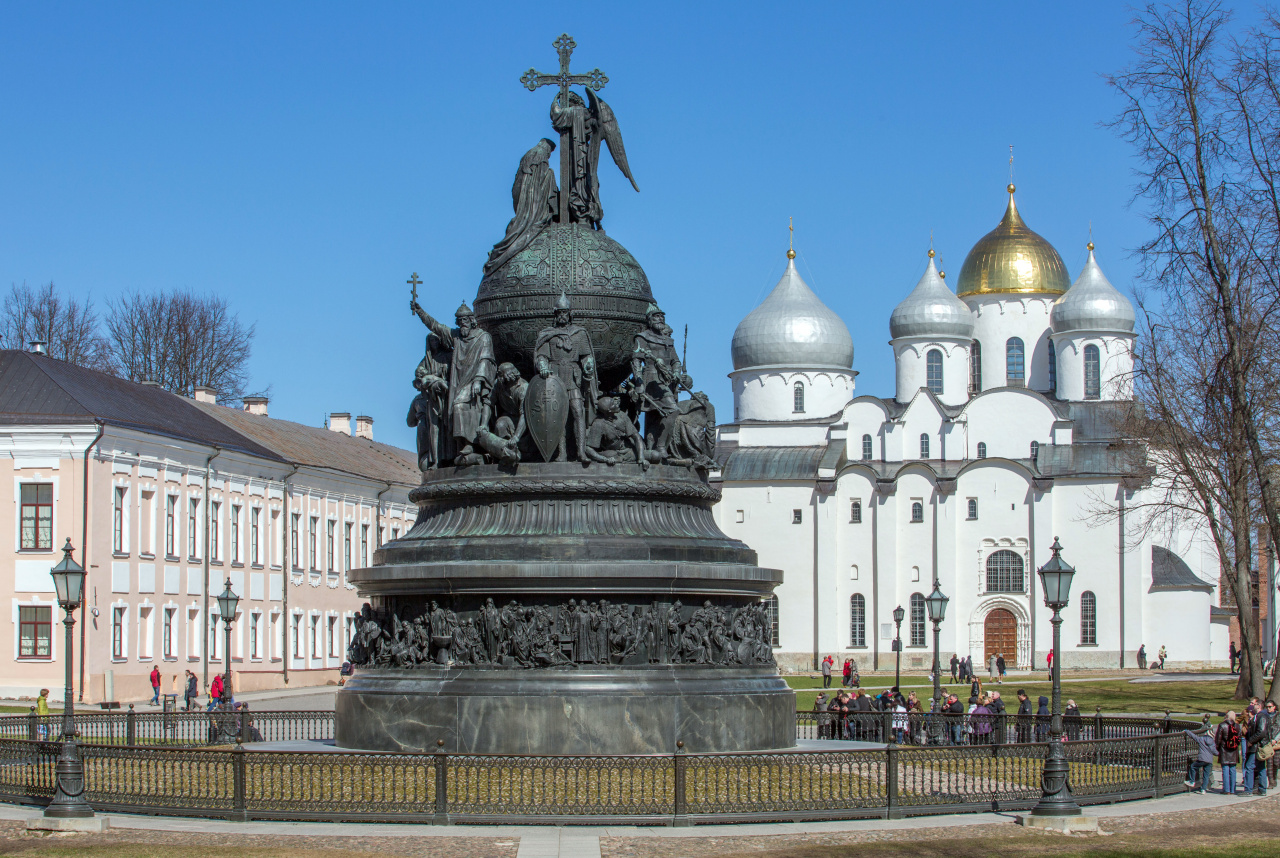
Velikiy Novgorod
23.8 - 29.8 2026
Dear Friends!
We are pleased to announce that during the last week of August 2026 (tentatively August 23 - 29) the Fock School: 5-th Workshop "Computational Methods in Materials Science and Chemistry" will be held
jointly with the international V.A. Fock Conference on Theoretical, Quantum, and
Computational Chemistry. The sessions will take place at
Yaroslav-the-Wise Novgorod State University in
Velikiy Novgorod, where our third workshop was previously held.
This time, we've
expanded the workshop program and decided to delve a bit deeper into materials science and
quantum technologies.
As the lecturers at the school-workshop will be participants of the Fock Meeting. The list can be
found on the meeting page.
We have five parallel tracks ahead:
- Basics of Quantum Chemical Calculations for Nanostructures
This track is introductory and focuses on the fundamentals of working with quantum chemical calculation software and atomic structure editors.
On this track, we will:- Learn to "How to create" 2D crystals and nanoparticles
- Understand how to work in the command line
- Study of SIESTA package
- Run our first quantum chemical calculations
- Calculate basic properties of nanostructures
- Classical Molecular Dynamics
Classical molecular dynamics (MD) is a tool that allows studying aspects of atomic and molecular life inaccessible to direct experimental analysis. It has long become an integral part of most research in physics, chemistry, and even biology. On this track, we'll learn to work with LAMMPS, which is one of the most popular MD packages worldwide. It's free, open-source, and scales excellently in parallel. We'll explore approaches to describing atomic interactions and get acquainted with a new trend in MD—machine learning potentials, using MTP and NEP as examples.
Mentor: Nikita Orekhov,Moscow Institute of Physics and Technology (National Research University). - New Generation Semiempirical Methods
After half a century of DFT dominance, its limitations are now clear to everyone, as well as the fact that it is essentially a very expensive parameterization of the single-determinant approximation. This has revived interest in semiempirics. Endlessly refining parameterizations of the single-determinant approximation would be too boring. We turned our attention to the idea that the electronic wave function can (and should!) also be selected semiempirically, based on observable generalized chromophores—groups of electrons—in molecules or materials. Building on this, we developed the effective crystal field (ecf) and strictly local geminals (slg/mult),oriented toward calculating the electronic structure of transition metal complexes and organic compounds, respectively. This approach is implemented in our cartesius_fort library, and specialized programs based on it are available through our NetLaboratory system.
On this track, we will:- Learn to use the NetLaboratory program access system.
- Master specific programs based on participants' interests (ecf, mult, solidum, jakontos,
etc.)
- Prepare input data
- Analyze results
- Optionally discuss developing packages using the cartesius_fort library.
- Simulation of Two-Dimensional Correlated Systems on Quantum Simulators and Classical
Computers
Two-dimensional systems with strong correlations exhibit a rich diversity of new physical phenomena. The physics of these effects is critically important for understanding low- dimensional magnetism, high-temperature superconductivity, and other fundamental problems. On the track, we will discuss how such systems are implemented in modern experiments and focus on their key theoretical description—the Hubbard model.
On the track, we will:- Learn how two-dimensional correlated systems are implemented in modern experiments
- Investigate the Hubbard model on square and triangular lattices
- Master modern numerical approaches: the Lanczos method (Exact Diagonalization) and the Dynamical Mean Field Approximation (DMFT)
- Understand the connection between the obtained calculations and real physical experiments
- Machine Learning Methods for Predicting Properties and Generating Materials
We will review the main approaches to using AI in atomistic simulation and practice applying ready-made neural networks:- Train our own GNN like MEGNet using data from the open Materials Project database.
- Explore how to create our own database and train a model on it.
- Participants need basic Python skills. Knowledge of neural networks is a plus.
We have no age or status restrictions for participants.
There are no participation fees for the workshop only strict selection based on your CV and motivation letters.
Participation, accommodation, and coffee breaks are free. Travel expenses are at your own cost. Selection results will be announced in the first days of August.
Selection results will be announced in the first days of August.
Previous workshops looked like this, this and this.
Subscribe to our Telegram channel.
To manage the process, we use the Fock Meeting Information System. To participate in the school/workshop, you need to take two actions:
- Register in the information system by filling out the electronic form. Electronic registration is free. Once registered, you will receive occasional updates about the meeting/school, as well as minor things like New Year's greetings :). If you were previously registered, no need to do it again. If you accidentally registered multiple times, please contact the organizers so we can delete the extra entries.
- Then, log into your "personal cabinet" in the information system and upload your biography (CV) and a short motivation letter via the Submit link (inside the cabinet). More detailed instructions on uploading the required materials are on the upload page. Please read it carefully before clicking buttons.
It's very important for us to understand participants' needs for the practical sessions and their preparation level. Try to describe your current experience, scientific interests, and career plans (if they have formed). The educational program's difficulty level may be adjusted based on motivation letters. So, write frankly. If you have publications and conference presentations, be sure to list them in your CV.
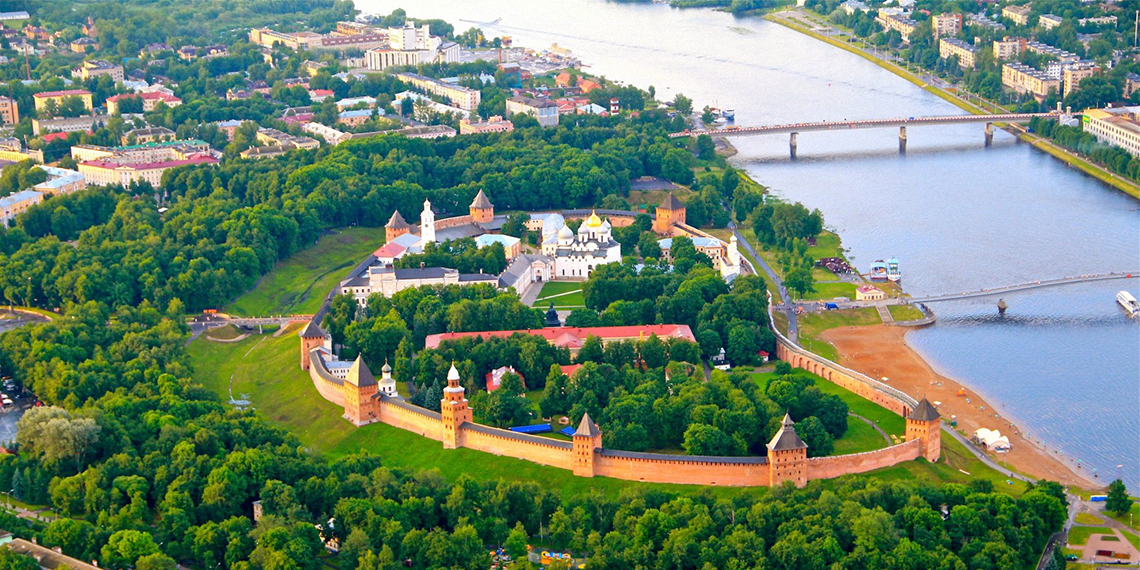
We will be glad to welcome you in Velikiy Novgorod.
| Contacts in relation to School/Workshop:
|